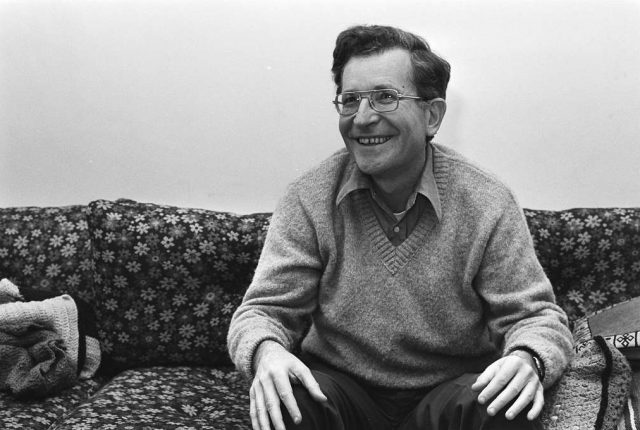
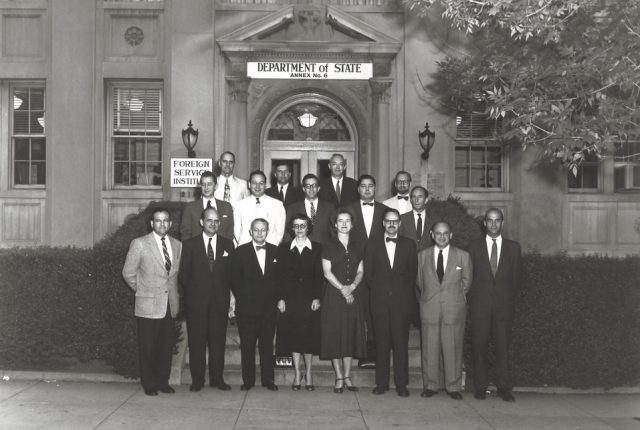
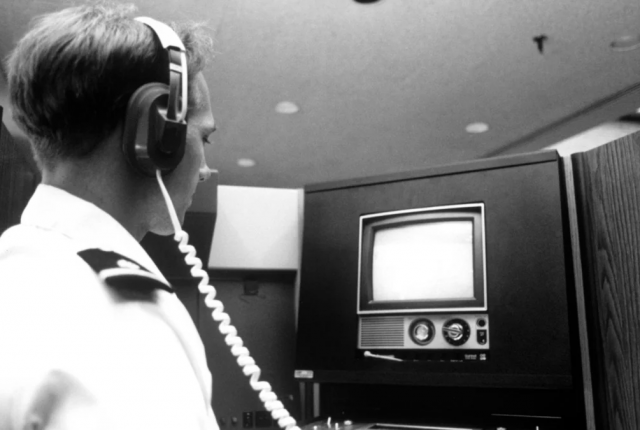
Mateusz Wiącek April 5, 2024 / Encyclopedia Communicative language teaching (CLT): Language is communication (1970s–1980s) With the advent of the European Common Market in the ’70s and ’80s, there was a lot of migration in Europe and an increased number of people who needed to… April 5, 2024 / Encyclopedia Constructivism: Language is a mental model (1973) Jean Piaget is famous for his theories regarding changes in cognitive development that occur as we move from infancy to adulthood. Children process information in a different way than adults…. April 5, 2024 / Encyclopedia Meaningful learning vs. rote learning: David Ausubel, We learn through association (1968) David Ausubel was an American educational psychologist who was particularly known for his theories on learning and instruction. His research focused on how people acquire and organize knowledge. In 1968… April 5, 2024 / Encyclopedia PLATO: The first language learning program (1960) PLATO (Programmed Logic for Automated Teaching Operations) is often considered a pioneer in the field of computer-based education. It was a computer-based learning system developed at the University of Illinois… April 5, 2024 / Encyclopedia The critical period: It gets more difficult with age (1959) Penfield and Roberts introduced the concept of critical period hypothesis (CPH) in 1959. The theory states that the first years of life constitute the time during which language develops readily… April 5, 2024 / Encyclopedia Declarative vs. procedural memory (1957) Scoville and Milner in 1957 studied a patient named Henry Molaison. Henry suffered from severe epilepsy and underwent a surgical procedure in 1953 to alleviate his seizures. The surgical procedure… April 5, 2024 / Encyclopedia The Chomsky hierarchy and normative grammar (1956) The Chomsky hierarchy was introduced by Noam Chomsky in his work on formal language theory, which he presented in 1956 as “On Certain Formal Properties of Grammars”. He proposed a… April 5, 2024 / Encyclopedia Language is innate: Nativism and Noam Chomsky (1950) Chomsky not only defined the grammar types, but also made significant contributions to the understanding of language from a cognitive and theoretical perspective. In 1950 Chomsky proposed a new way… April 5, 2024 / Encyclopedia How long does it take to learn a language: Foreign Service Institute (1947) The Foreign Service Institute (FSI) was established in 1947. It is the primary training institution for personnel of the United States Department of State and other foreign affairs agencies. The… April 5, 2024 / Encyclopedia The audio-lingual method: Drilling structures (1946) During World War 2 there was an obvious need for the military to speed up the language learning process, so that the personnel could acquire language skills quickly. The audio-lingual… Posts pagination Previous page Page 1 … Page 6 Page 7 Page 8 … Page 12 Next page