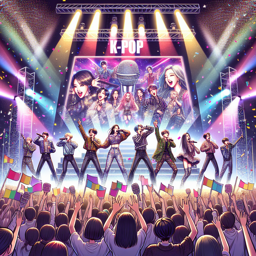
Dive into the world of K-pop and master the language of music and fandom! Learn advanced vocabulary to analyze pop culture, discuss your favorite idols and songs in depth, and connect with global fan communities. Perfect for learners aiming to express nuanced opinions and engage in sophisticated conversations.
The K-pop industry has dominated the charts for years.→ឧស្សាហកម្ម K-pop បានគ្រប់គ្រងតារាងអស់រយៈពេលច្រើនឆ្នាំ។
a global phenomenon→បាតុភូតសកល
Has K-pop become a global phenomenon?→តើ K-pop បានក្លាយជាបាតុភូតសកលហើយឬនៅ?
K-pop hasn't always been a global phenomenon.→K-pop មិនតែងតែជាបាតុភូតសកលទេ។
to stan a group→ជាអ្នកគាំទ្រក្រុម
to be obsessed with→ជាប់គំនិត
She must have been obsessed with that K-pop group.→នាងប្រហែលជាជាប់គំនិតនឹងក្រុម K-pop នោះ។
He can't have stanned that group for long.→គាត់មិនអាចជាអ្នកគាំទ្រក្រុមនោះយូរបានទេ។
the fandom culture→វប្បធម៌អ្នកគាំទ្រ
If only the fandom culture were less toxic.→បើសិនជាវប្បធម៌អ្នកគាំទ្រមិនសូវមានភាពពុលរិចរិល។
I wish the fandom culture were more inclusive.→ខ្ញុំសង្ឃឹមថាវប្បធម៌អ្នកគាំទ្រនឹងកាន់តែរួមចំណែកច្រើន។
to stream music videos→ផ្សព្វផ្សាយវីដេអូតន្ត្រី
They will have streamed the music video a million times by tomorrow.→ពួកគេនឹងបានផ្សព្វផ្សាយវីដេអូតន្ត្រីមួយលានដងនៅថ្ងៃស្អែក។
By the time the concert starts, fans won't have stopped streaming the video.→នៅពេលដែលការសម្តែងចាប់ផ្តើម អ្នកគាំទ្រនឹងមិនបានបញ្ឈប់ការផ្សព្វផ្សាយវីដេអូនោះទេ។
the comeback stage→ឆាកការត្រឡប់មកវិញ
Had the group prepared enough for the comeback stage?→តើក្រុមនោះបានរៀបចំគ្រប់គ្រាន់សម្រាប់ឆាកការត្រឡប់មកវិញឬនៅ?
If the group had rehearsed more, the comeback stage would have been flawless.→បើសិនជាក្រុមនោះបានហ្វឹកហាត់ច្រើនជាងនេះ ឆាកការត្រឡប់មកវិញនឹងល្អឥតខ្ចោះ។
to go viral→ក្លាយជាវីរាល់
A sample of the collection — the full set lives in the app.
Learn this topic in Taalhammer
Spaced repetition, pronunciation and audio — in the app.